
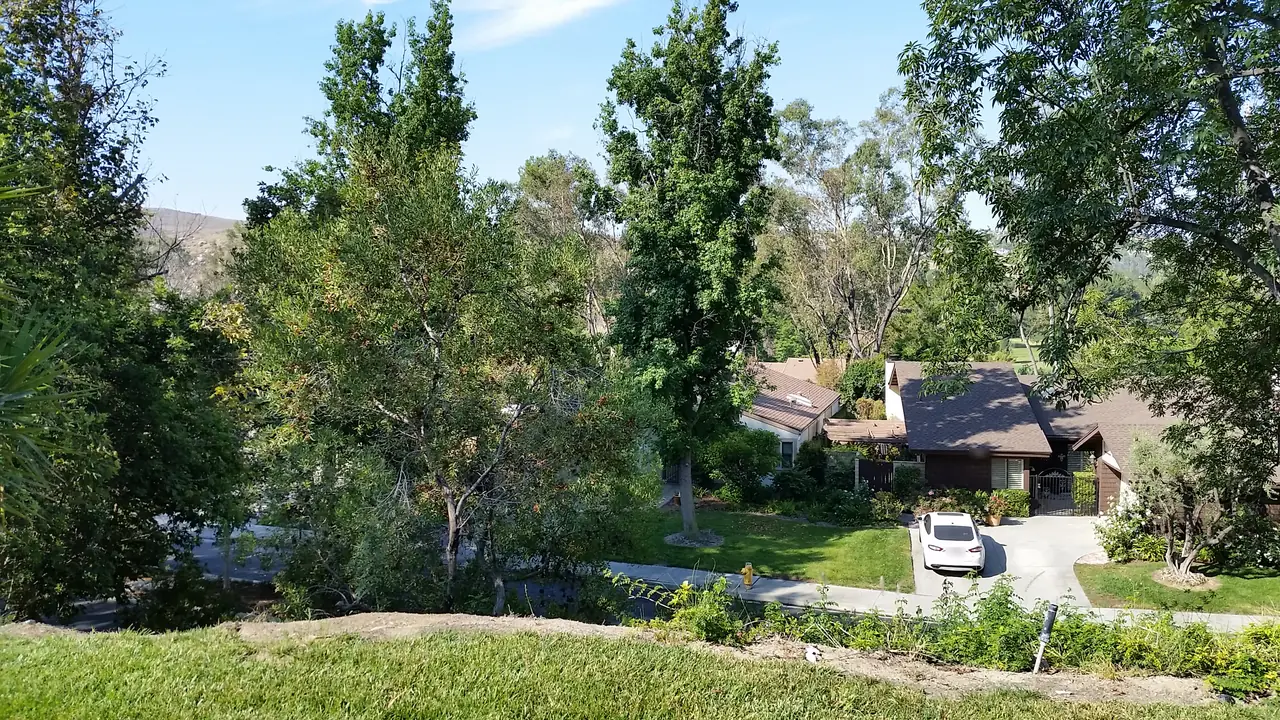
An owner brings a single-family rental in Riverside into management and says the same thing many owners say in the first meeting: "It's a house, so the rent cap doesn't apply to me." Sometimes that's right. Often the lease says otherwise, because the one paragraph the exemption depends on was never put in it.
AB 1482, the Tenant Protection Act of 2019, has two halves. Civil Code §1947.12 caps rent increases, and Civil Code §1946.2 requires a stated, recognized reason to end a tenancy once a tenant has lived there 12 months. Each half has its own list of exemptions. The lists overlap, but they aren't identical, and the most common exemption owners rely on comes with a paperwork condition that's easy to miss.
We check exemption status on every home in the first week it comes to us. Here's what that check covers, and what it means for an owner in the Inland Empire in 2026.
Key takeaways
- AB 1482 has two parts with separate exemption lists: the rent cap in Civil Code §1947.12 and the just-cause rule in Civil Code §1946.2. A property can be outside one and inside the other.
- A single-family home or condo is exempt only if the owner isn't a REIT, a corporation, or an LLC with a corporate member, and the tenant got the written exemption notice in the wording the statute prescribes.
- For any tenancy that began or renewed on or after July 1, 2020, that notice has to be in the rental agreement itself.
- Housing with a certificate of occupancy issued within the previous 15 years is exempt, and that window rolls forward every year.
- Exemption from the cap doesn't remove the notice periods for a rent increase, and it doesn't override a stricter local ordinance.
- Both halves of AB 1482 are set to expire on January 1, 2030.
Two lists, not one
Most people talk about "the AB 1482 exemptions" as a single list, but the statute keeps two of them.
Here are the rent cap exemptions in §1947.12(d), in the order the statute lists them:
- Housing restricted by deed or a recorded agreement with a government agency as affordable housing for very low, low or moderate income households.
- Dormitories owned and operated by a college or a K-12 school.
- Housing already under a local rent control ordinance that limits annual increases to less than the state cap.
- Housing issued a certificate of occupancy within the previous 15 years, unless it's a mobilehome.
- A unit that can be sold separately from any other dwelling, such as a single-family home or condo, if the owner qualifies and the tenant received the written notice.
- An owner-occupied duplex: two units in one structure, where the owner lived in one unit as a principal residence when the tenancy began and still does, and neither unit is an ADU or a junior ADU.
The just-cause exemptions in §1946.2(e) cover most of the same ground, plus several situations the cap list doesn't mention: transient and tourist hotel occupancy, nonprofit hospitals and care facilities, a tenant who shares a bathroom or kitchen with an owner who lives there, and an owner-occupied single-family home where the owner rents out no more than two units or bedrooms, including an ADU or junior ADU.
That difference matters for owners who live on the property. Say an owner lives in the main house in Corona and rents out a detached ADU. Under §1946.2 that tenancy can be outside the just-cause rule. Nothing in the §1947.12 list mirrors that exemption, so the rent cap can still reach the ADU unless another exemption applies. An owner who assumes "owner-occupied" covers everything can end up following one rule and breaking the other.
The single-family exemption, and why it fails
This is the exemption most of our owners ask about, and it has two conditions, both of which have to be met.
Condition one: who owns the home
The home has to be alienable separate from the title to any other dwelling unit. In plain terms, it can be sold on its own. A detached house on its own lot or a condo usually qualifies.
Then the owner has to clear the ownership test. The exemption isn't available if the owner is:
- a real estate investment trust,
- a corporation, or
- a limited liability company in which at least one member is a corporation.
An individual owner can qualify. So can an LLC whose members are all individuals. The California Attorney General's rent cap page puts the result simply: the statewide cap applies to most older rental housing, "including single-family homes and condos owned by corporations."
The ownership test is easy to break without noticing. A family that moves title from an all-individual LLC into a structure with a corporate member — for estate planning or a partner buyout — may have changed the answer on every home in that LLC. If title is moving, it's worth asking the question before the paperwork is signed.
Condition two: the written notice
The owner has to give the tenant written notice that the property is exempt, and the statute prescribes what it says. The required statement begins: "This property is not subject to the rent limits imposed by Section 1947.12 of the Civil Code and is not subject to the just cause requirements of Section 1946.2 of the Civil Code." It goes on to state that the property meets the requirements of §1947.12(d)(5) and §1946.2(e)(8). Copy the full statement from the statute itself rather than from an old lease template, because paraphrased versions turn up often.
Where the notice goes depends on when the tenancy started:
| Tenancy | Where the exemption notice belongs |
|---|---|
| Began before July 1, 2020, and not renewed since | May be in the rental agreement, but doesn't have to be |
| Began or renewed on or after July 1, 2020 | Must be in the rental agreement |
Mobilehomes follow the same pattern with a July 1, 2022 date instead.
No notice, no exemption. If the tenant never received it, the home is treated like any other covered rental: the increase is capped, and after 12 months of occupancy the tenancy can only end for a just cause the statute recognizes. It's the most expensive gap we see in leases owners bring with them, and it's the first thing we look for.
The 15-year rule rolls forward
Housing that received its certificate of occupancy within the previous 15 years is exempt from both halves. The window is measured backward from today, so it moves.
A home whose certificate of occupancy was issued in 2012 is inside the window in 2026 and falls outside it in 2027. Owners who bought new construction in the Inland Empire's last building boom sometimes remember being told the home was exempt, which was true at the time. The certificate date is what to check, not the year the owner bought.
Once a newer home ages out, the owner still has the single-family route if the ownership test and the notice are in place. That's a good reason to put the notice in the lease even while the 15-year exemption is doing the work.
What an exemption doesn't change
An exempt home is outside the cap and the just-cause rule, but it isn't outside the rest of landlord-tenant law.
- Rent increase notices still apply. Civil Code §827 sets 30 days' written notice for an increase of 10% or less and 90 days for more. We walk through those periods, and the 2026 cap figure for Riverside and San Bernardino counties, in California rent increase notice requirements.
- Local ordinances can still reach it. The exemption for property under local rent control works only where the local limit is lower than the state's. The Attorney General keeps a chart of local rules, and it's worth checking before relying on the state exemption list alone.
- The rest of the lease rules still apply. Termination notice periods, security deposit limits and habitability duties don't depend on AB 1482 status. How lease structure interacts with just cause is covered in our post on month-to-month vs. fixed leases.
On a covered property, the no-fault just causes (an owner or close relative moving in, taking the unit off the market, or a substantial remodel that requires the tenant to leave for at least 30 days) come with relocation assistance equal to one month's rent. An exempt property doesn't carry that obligation, which is one of the practical reasons the notice is worth getting right.
If the notice is missing
Finding out a lease has no exemption notice isn't a crisis. It means the home is covered today, and the owner should act accordingly until that changes.
For a tenancy that began or renewed on or after July 1, 2020, the notice has to live in the rental agreement, so the clean place to add it is the next new lease or renewal. The statute anticipated this. Adding the exemption notice to a new or renewed lease is treated as a "similar provision," so including it doesn't make the renewal a different deal from the one the tenant already had.
What we'd caution against is treating a home as exempt for an increase or a termination that's already in motion when the notice was only just delivered. Whether a late notice reaches back that far isn't something the statute spells out, and it's a question for a landlord-tenant attorney before anything goes to the tenant.
The 2030 sunset
Both §1947.12 and §1946.2 are written to remain in effect until January 1, 2030. The Legislature can extend or change them before then, so treat the date as the current text rather than a promise.
How we handle it
When a rental comes into management, exemption status is part of the first week's review: the certificate of occupancy date, who holds title, and whether the current lease carries the notice in the statutory wording. If the home qualifies and the notice is missing, it goes into the next renewal. If it doesn't qualify, we plan increases inside the cap and track the 12-month just-cause date from day one.
If you own a rental in the Inland Empire and aren't sure where it stands, see how we work in Riverside property management and what it costs on our pricing page. You can also request a rental analysis below, or stop by our office at 6700 Indiana Ave #130 in Riverside.
Common questions
- Is my single-family rental exempt from AB 1482?
- It can be. The home has to be sellable separately from any other dwelling, the owner can't be a REIT, a corporation or an LLC with a corporate member, and the tenant has to receive the written exemption notice in the wording Civil Code §1947.12(d)(5) and §1946.2(e)(8) prescribe. For tenancies that began or renewed on or after July 1, 2020, that notice must be in the rental agreement. Without it, the home is covered.
- What happens if I never gave my tenant the AB 1482 exemption notice?
- The home is treated as covered: rent increases are capped, and once the tenant has lived there 12 months the tenancy can only end for a just cause the statute recognizes. The usual fix is to include the notice in the next new lease or renewal. Whether a late notice affects an increase or termination already underway isn't spelled out in the statute, so ask a landlord-tenant attorney first.
- Are newer homes exempt from the California rent cap?
- Housing with a certificate of occupancy issued within the previous 15 years is exempt from both the rent cap and the just-cause rule, unless it's a mobilehome. The window rolls forward each year, so a home that was exempt when you bought it can become covered later. Check the certificate date, not the purchase date.
- Does an LLC owner qualify for the single-family exemption?
- An LLC whose members are all individuals can qualify. An LLC with at least one corporate member can't, and neither can a corporation or a real estate investment trust. The written notice is still required either way.
- If my rental is exempt, do I still need to give notice of a rent increase?
- Yes. Exemption from the AB 1482 cap doesn't remove Civil Code §827's notice periods: at least 30 days' written notice for an increase of 10% or less, and 90 days for more than 10%, counting all increases in the prior 12 months. A local ordinance can also still apply.
Sources
- California Civil Code §1947.12: Tenant Protection Act rent cap and exemptions — retrieved November 16, 2026
- California Civil Code §1946.2: just cause for termination and exemptions — retrieved November 16, 2026
- California Attorney General: rent caps, statewide and local — retrieved November 16, 2026