
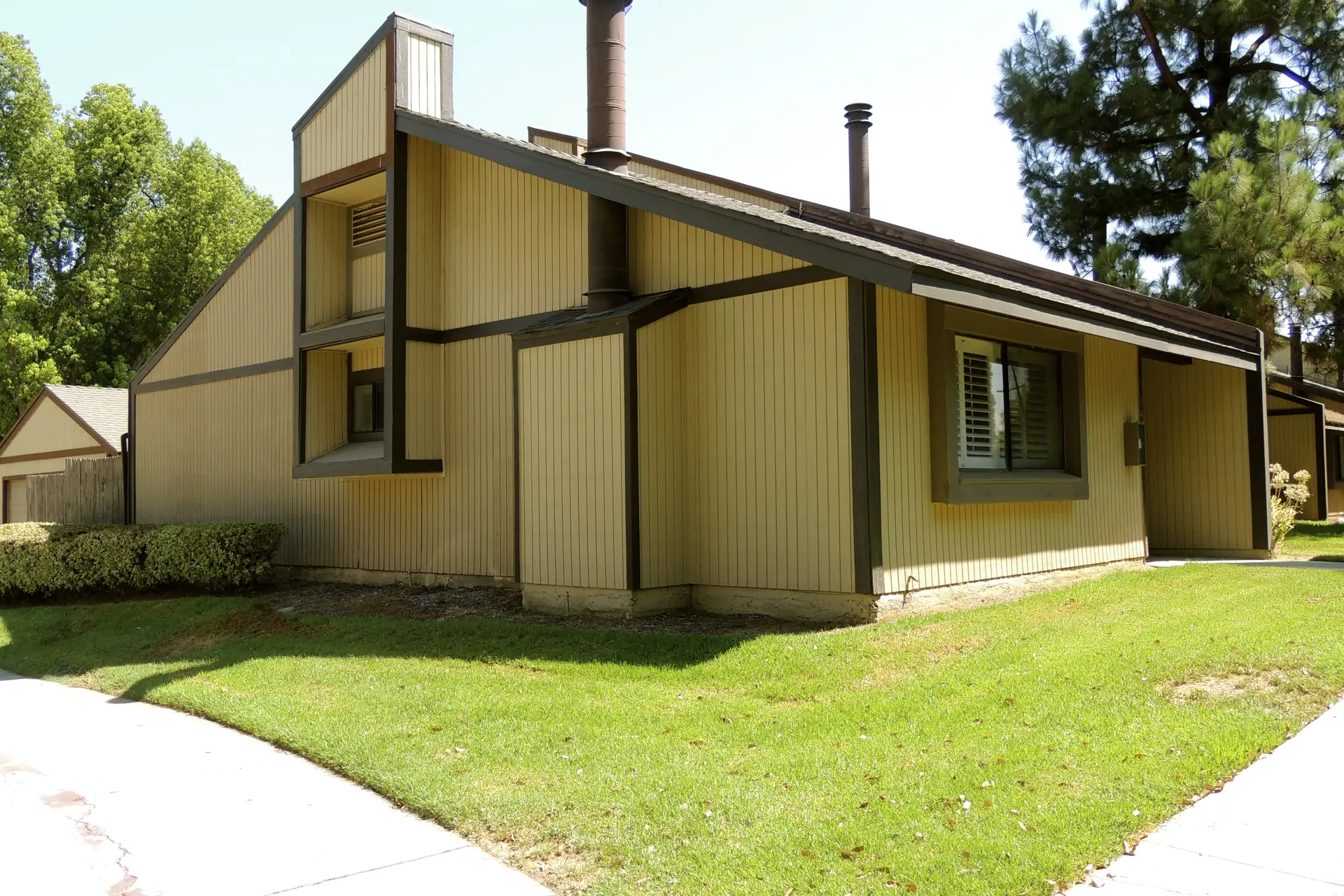
Say you're looking at a three-bedroom house in Moreno Valley. The rent estimate online says it'll lease for $2,800 a month, a friend who owns two rentals says they're the best thing he ever did, and the numbers in your head look like $33,600 a year coming in.
That figure is the top line, and much less of it reaches the owner. Between the rent a house can earn and the money an owner keeps sit property tax, insurance, empty weeks between tenants, repairs, the slow wear on a roof and an air conditioner, and the cost of someone answering the phone at 9 p.m. when the water heater lets go.
We manage single-family rentals across the Inland Empire, and the owners who are happiest with them are the ones who ran this math before they bought. Here's how we'd run it with you, using a hypothetical house and round numbers you can swap for your own.
Key takeaways
- Gross rent is the wrong number to judge a rental by. Start with what's left after vacancy, tax, insurance, repairs, reserves and management.
- On a hypothetical $550,000 Inland Empire house renting for $2,800, the operating math leaves roughly $16,000 a year, about 3% of the price, before any loan.
- Most of the long-term return on a house here has come from holding it, while Proposition 13 keeps the tax base close to the purchase price and rents move with the market.
- The first year carries surprises: a supplemental property tax bill mailed straight to you, a turn before the first tenant, and repairs the inspection didn't catch.
- A rental works best for an owner with cash reserves, a long holding period and no need for monthly income from it in the early years.
The math from the manager's chair
Here's the hypothetical. A 1990s three-bedroom, two-bath house bought for $550,000, no HOA, renting for $2,800 a month. Every expense below is an illustration, so replace each line with your own quotes.
| Line | Per year | How we got it |
|---|---|---|
| Scheduled rent | $33,600 | $2,800 x 12 |
| Vacancy | -$1,400 | About half a month empty a year, averaged over the life of a tenancy |
| Rent collected | $32,200 | |
| Property tax | -$6,325 | 1.15% of the purchase price (the 1% base plus voter-approved charges) |
| Landlord insurance | -$1,800 | Placeholder; get a quote for a policy written for rentals |
| Management | -$2,576 | 8% of rent collected, used here only as an example |
| Repairs and maintenance | -$2,000 | Service calls, small fixes, yard and gutter work |
| Turn costs | -$1,250 | A $2,500 turn every two years |
| Capital reserve | -$1,800 | Roof, HVAC, water heater and flooring, set aside monthly |
| What's left | about $16,450 | Before any loan payment and before income tax |
Divide what's left by the price and you get just under 3%. That's the yield on the house as an operating business, before financing and before appreciation, and it's lower than many owners expect. Most of the gap between that number and the one in their head comes from three lines: tax, vacancy and the capital reserve.
This math stops before financing on purpose. Whatever a loan costs comes out of that bottom line, and how much of it a rental can carry is a conversation for a lender.
Property tax is the biggest line, and it's predictable
In California the general property tax rate is limited to 1% of assessed value, with voter-approved charges added on top. The Riverside County Assessor explains that under Proposition 13 property is reappraised only on a change in ownership or new construction, and otherwise the assessment can't rise by more than 2% a year.
That cuts both ways for a buyer. Your tax resets to roughly your purchase price the day you close, so a house bought today pays far more than the identical one next door owned since 2005. After that, though, the tax grows slowly while rents follow the market. Over a long hold, that is one of the main reasons the math improves.
Two first-year items catch new owners off guard. The county mails a supplemental tax bill after a purchase to cover the change in assessed value, and the Treasurer-Tax Collector notes that it's mailed directly to the owner. And in many newer tracts a Mello-Roos special tax sits on the bill alongside the regular one, which can push the effective rate well past the 1.15% we used.
Vacancy and turnover move the number most
On paper, vacancy looks like a small line. In practice it's the one an owner controls most. Each empty day costs about a thirtieth of a month's rent, and a turn that drags from two weeks to six can cost more than the paint, cleaning and repairs combined. We walk through the calendar in our post on unit turn cost and timeline.
Pricing feeds straight into this. Listing a house $100 over the market and sitting an extra three weeks usually costs more in the first year than the higher rent earns back, which is why we price off closed leases rather than asking rents. Our guide to what to charge for rent covers how.
Long tenancies do the most for the numbers. Across the homes we manage, the rentals that perform best are seldom the ones with the highest rent. They're the ones where a good tenant stays four or five years, because every year without a move-out saves the vacancy, the turn cost and the leasing work at once.
Repairs and reserves: the costs you don't see in year one
A rental's repair bill isn't smooth. One year it's a garbage disposal and a sprinkler valve. Another year it's an air conditioning replacement in July that runs into the thousands, and in the Inland Empire that one can't wait. California law expects a rental to stay habitable, and working heat, plumbing and weatherproofing aren't optional; our post on habitability requirements lists what an owner owes.
That's why the table carries a capital reserve separate from routine repairs. The owners who struggle with a rental are often the ones who treated the first two quiet years as profit and then met the roof and the HVAC in the same summer.
The age of the house matters more than buyers expect. A 1970s home with original plumbing and an older electrical panel will cost more to keep rentable than a 2005 tract home, even at the same rent. A pool adds weekly service and liability. An HOA adds a monthly fee and sometimes leasing rules that limit who you can rent to and for how long, so read the CC&Rs before you make an offer.
Insurance and the deposit cushion
A homeowners policy is written for an owner who lives in the house. Once it's a rental, it needs a policy built for that use, and the premium belongs in your math from the first month. We explain why in landlord insurance vs. homeowners.
The security deposit is a smaller cushion than it used to be. Since July 1, 2024, California caps it at one month's rent for most landlords, with a narrow exception for small owners. It covers damage and unpaid rent at move-out; it's no substitute for a repair reserve. The details are in our post on the security deposit limit in California.
Where the return comes from over time
If the operating yield is around 3%, why do so many people do well with rentals here? Mostly because they held them long enough for rent growth to catch up with the price they paid.
Over a long hold, rents have tended to rise while the property tax, capped at 2% a year, rises slowly and the purchase price stays fixed. The same $16,450 can look very different after ten years of rent growth. If the house is covered by AB 1482, increases are capped at 5% plus inflation, never more than 10% in a 12-month period, according to the California Attorney General. Many single-family homes owned by individuals are exempt, but only with the right written notice in the lease. Our guide to AB 1482 exemptions covers who qualifies.
Taxes help too. The IRS lets an owner deduct the ordinary and necessary costs of running a rental and depreciate the building, though never the land, over 27.5 years. On paper that can turn a small positive cash flow into a loss for tax purposes. How much it helps depends on your situation, so that's a question for your CPA.
So, is it a good investment?
For the right owner, often yes. The ones it suits tend to share a few traits. They plan to hold for ten years or more, they keep several months of expenses in reserve, they don't need the rental to pay them every month in the early years, and they treat it like a small business with records, a budget and a plan for the next turn.
It's a harder fit for someone counting on monthly income from day one at today's prices, or someone whose reserve would be wiped out by one large repair. You can still buy. Just do it with the full table in front of you instead of the top line.
If you're weighing a purchase or wondering how a rental you already own stacks up, we'll run this math on your address with real rent comps and local expenses. You can see what management costs on our pricing page, or read about how we work in Riverside.
Common questions
- What expenses should I budget for on a rental house in California?
- Plan for property tax, a landlord insurance policy, vacancy between tenants, routine repairs, turn costs when a tenant moves out, a capital reserve for big items like the roof and HVAC, and management if you hire it. Add HOA dues and any Mello-Roos special tax if the house carries them. Financing and income tax come after these.
- How much should I keep in reserve for a rental property?
- There's no legal minimum, but we suggest owners keep enough to cover several months of expenses plus one large repair, such as an air conditioning or water heater replacement, without strain. Building the capital reserve monthly, rather than waiting for the repair, keeps one bad summer from wiping out a year of income.
- Does Proposition 13 apply to rental property?
- Yes. The 1% general rate and the 2% annual limit on assessment increases apply to rentals the same way they apply to owner-occupied homes. The assessment resets when the property changes ownership, so a buyer's tax is based on the price they paid.
- Can I raise the rent to cover rising costs?
- Often, within limits. If the house is covered by AB 1482, increases are capped at 5% plus the change in the cost of living, never more than 10% in 12 months, and notice rules apply. Many single-family homes owned by individuals are exempt, but only if the lease includes the required written exemption notice.
- Is a newer house or an older house better as a rental?
- A newer house usually costs less to maintain in the early years, while an older one may cost less to buy and carry a lower Mello-Roos burden, or none. Compare the full expense picture, including the age of the roof, plumbing, electrical panel and HVAC, rather than the purchase price alone.
Sources
- Riverside County Assessor-County Clerk-Recorder: Proposition 13 (1% rate, 2% annual limit, reappraisal on change in ownership) — retrieved November 19, 2026
- Riverside County Treasurer-Tax Collector: Guide to Property Taxes (supplemental bills mailed directly to the owner) — retrieved November 19, 2026
- California Attorney General: rent caps (5% plus cost of living, 10% maximum) — retrieved November 19, 2026
- IRS Publication 527: Residential Rental Property (expenses, 27.5-year depreciation, land not depreciable) — retrieved November 19, 2026
- California Attorney General: Know Your Rights, Security Deposits — retrieved November 19, 2026